
What is Dance Movement Therapy (DMT)?
Dance Movement Therapy (DMT) is the psychotherapeutic use of movement and dance through which a person can engage creatively in a process to further their emotional, cognitive, physical and social integration. Dance Movement Therapists believe in the interconnection between the body, mind, and emotions, and that the three are mutually influential. Because of this connection, any changes experienced physically or in movement are reflected in changes in emotional or psychological states, and vice versa. By exploring dance, movement and gestures, we can experience an embodied sense of ourselves in which we can communicate, explore and learn about ourselves and how we relate to others.

Who is DMT for?
DMT can benefit individuals, couples, families, groups, and organizational teams. Some reasons to seek therapy might include:
- If you struggle with depression, anxiety, or any other mental or emotional distress
- If you experience any learning or physical disabilities and would like more support in working with them
- If you are dealing with grief or the loss of someone close to you
- If you are struggling with the impact of trauma (past or present)
- If you are interested in learning more about yourself, gaining insight into your emotional and mental states, or personal development
Benefits of DMT?
The benefits of DMT can include an increase in awareness, self-confidence, self-expression and the development of tools with which to express or manage overwhelming feelings or thoughts. DMT also supports the development of trust within relationships and offers an opportunity to test the impact of self on others in a safe and contained environment. Physical, emotional and cognitive shifts can occur as DMT promotes the possibility to study and experience links between actions, feelings and thought.
Available Services

Dance Movement Therapy
Research acknowledges that the mind and body are interconnected. When a person is supported to move their body, bring awareness to their body, and express emotions through the body, this may improve their quality of life. Dance Movement Therapy sessions offer a safe, confidential space, which allows individuals to explore and discover their unique inner depths through embodied experience.

Community Dance Programming for Seniors
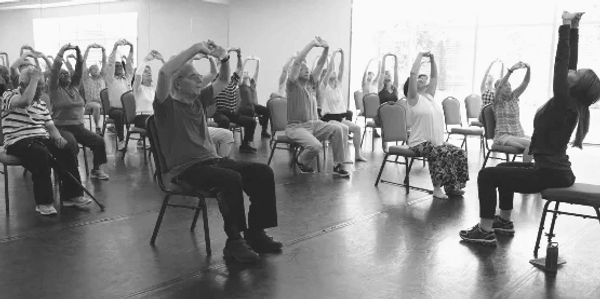
Research has demonstrated that dancing improves motor and cognitive functions in seniors and positively impacts quality of life, mental alertness and is a great way to socialize. This program targets seniors living in care homes and brings them together for a weekly dance class.
The Moving Bond
The Moving Bond
An attachment development program in which parents/carers and pre-school children can move and play together. Using dance, music and a range of props, this program provides a safe containing space in which adults and children can discover creative ways of being together, within the wider community of the group.